
How 'Year in Review' Personalized Data Storytelling Became a Business Strategy
Every December, something predictable happens on social media. Millions of people post their Spotify Wrapped including their top artists, their listening personality, the surprising genre they loved more than they knew. Last year, the campaign had over 200 million users within its first 24 hours of launch. The popularity of Wrapped grows year after year.
Spotify didn't invent the use of personalized data with customers. Companies had been personalizing things for years. What Spotify pioneered was creating a moment, an annual ritual of a customer receiving their own story, packaged as something worth sharing.
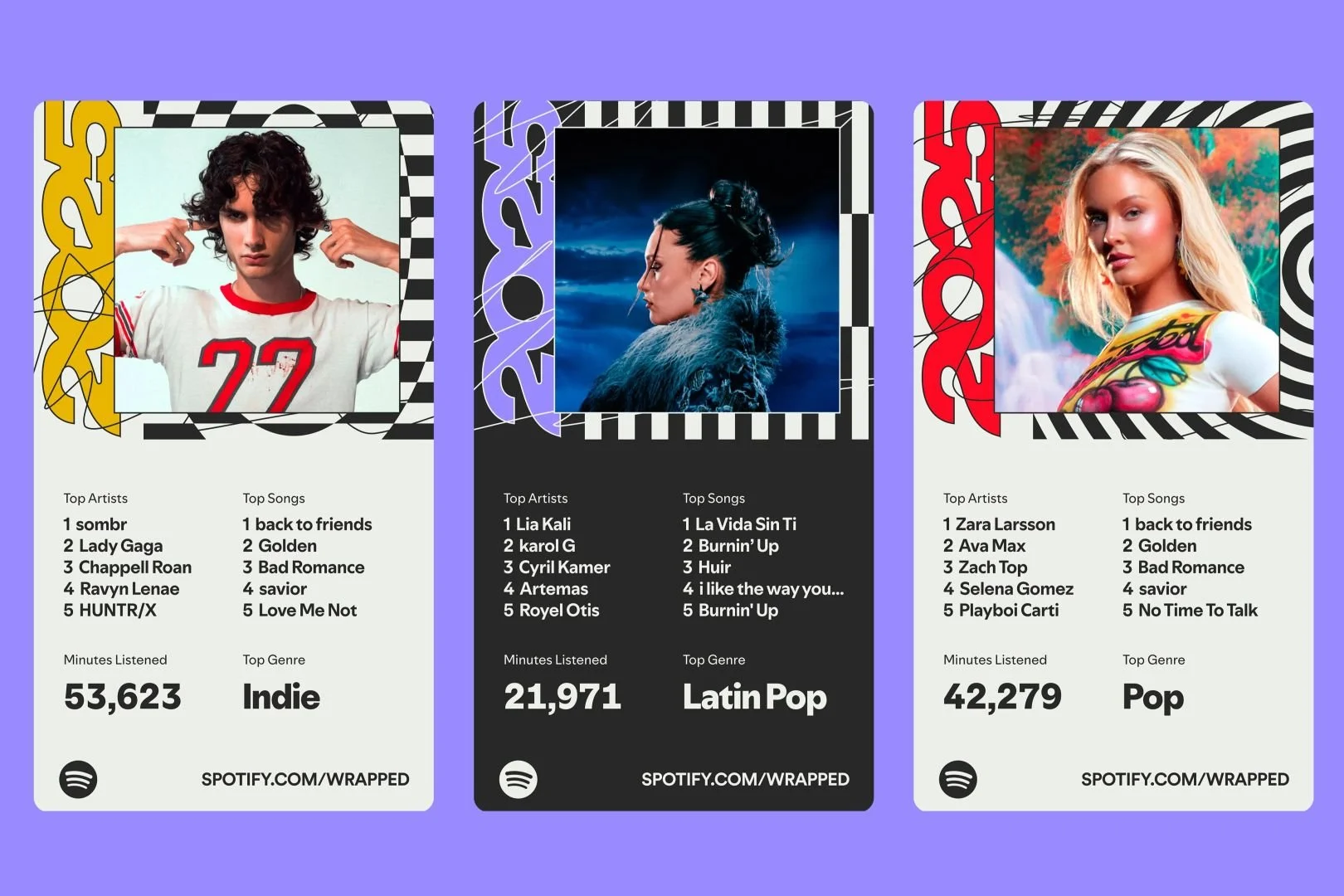
Spotify Wrapped 2025
A New Customer Playbook
When Wrapped went viral, other technology platforms noticed. Strava built a Year in Sport that turned athletic data into social currency. Its "Kudos" metric, a social validation feature, had 14 billion individual interactions. Apple launched Replay. LinkedIn introduced career milestones. Loom sent users a "personality type" based on their communication habits. Steam started tallying games played and achievements earned.
All this measurement may have started to feel like a bit much. But the format spread because it works.
Each of these implementations adapted to reach the mindset of their customers: fitness tracking becomes social currency on Strava; professional activity becomes personal branding on LinkedIn; listening history becomes identity on Spotify.
Meanwhile, the analytics have gotten more advanced. Spotify moved beyond lists of top songs to identify "remarkable days" for each listener — the day someone discovered a new artist they'd never have found on their own, or strayed furthest from their usual tastes. Spotify evolved the format, finding new ways to connect with subscribers, using AI to craft a brief, personalized narrative grounded in real listening data and scaled to hundreds of millions of people.
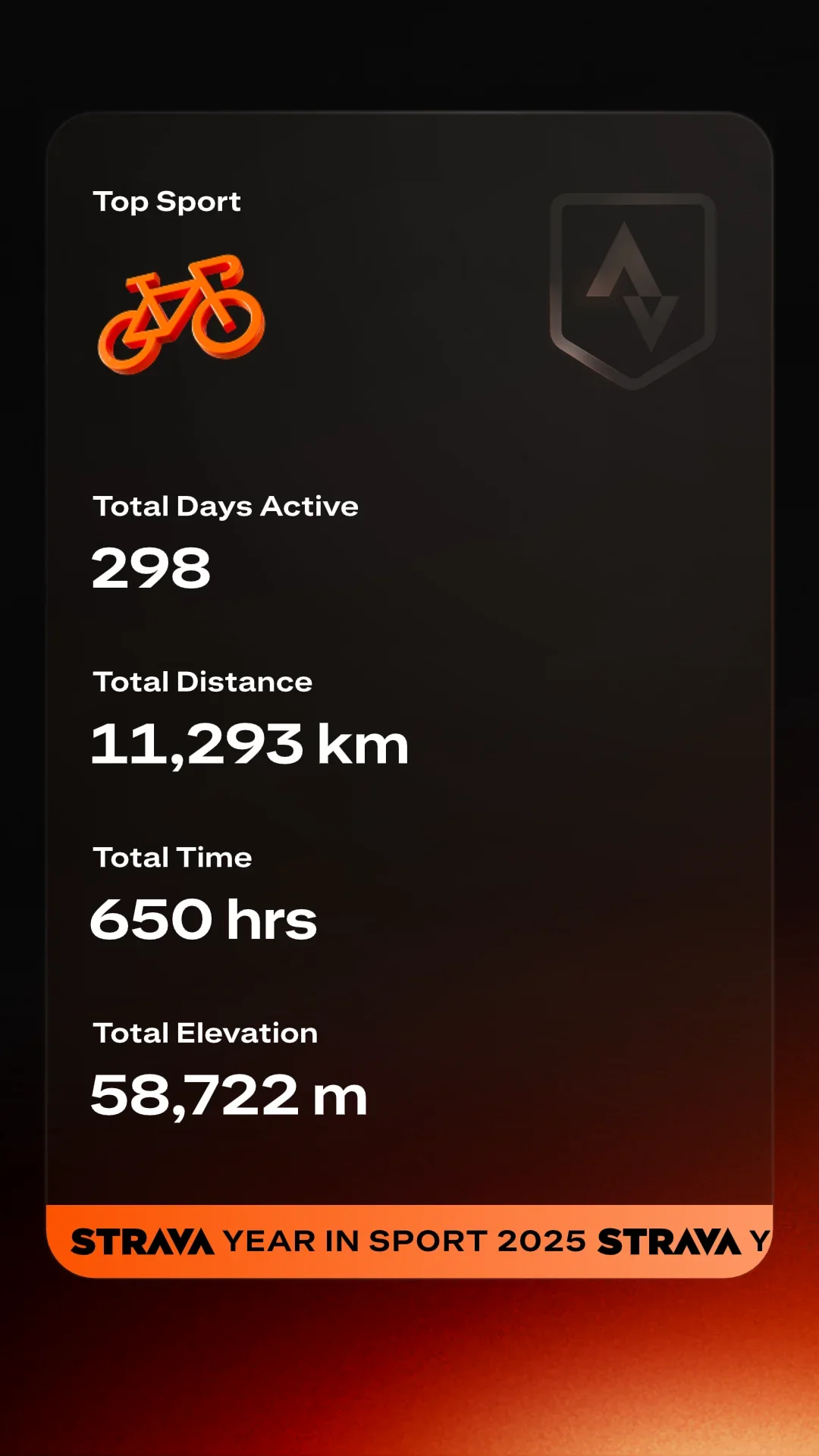
Strava Year in Sport
Why It Works
The psychological engine underneath these features is worth understanding.
First, personalization is about relevance: showing people what's specific to them and they'll pay more attention. But more importantly, these campaigns tap into "egocentric bias." When customers are made the protagonist of a data story, they don't just pay more attention, they process the information differently. The story becomes more of a mirror rather than a scorecard.
Being told you're in the "Top 0.5% of listeners" for an artist validates your taste. It confirms that a choice you made, perhaps unconsciously, says something meaningful about who you are. It is identity affirmation that creates a different kind of emotional response than a bar chart of hours listened.
Together, the personalized data stories tap into a concept called “optimal distinctiveness theory”, our desire to be the same and different at the same time. Psychologist Marilynn Brewer argues that people are torn between the need for “validation and similarity to others” while wanting to express their “uniqueness and individuation.” It is hard to achieve this balance — but solutions like Spotify Wrapped help us achieve that balance.
In addition, the narratives are about cognitive load. The traditional dashboards and reports asks you to do work: access the tool, interpret the metrics, draw your own conclusions. Year in Review features flip the focus from "exploratory" to "explanatory" — the company does the interpretive labor and delivers a conclusion. The reduction in friction is part of why engagement rates for these features consistently outperform standard communications.
Finally, there's loss aversion. The more data a customer has invested in a platform, the more valuable their year-end reward becomes. This creates a retention dynamic. Users are less likely to switch when it means losing their history and the annual moment that comes with it.
The Business Value of 'Year in Review'
These solutions aren't just about the soft benefits. Spotify’s 2024 Wrapped campaign led directly to 11 million new Premium subscriptions. Because the content is designed to be shared, users do the distribution work. Every shared recap is, in effect, an earned media impression — billions of them, at no incremental cost per impression.
On the retention side, the mechanism is straightforward. Framing twelve months of customer activity as a personal narrative builds an emotional bond that makes churn psychologically harder. For B2B companies considering this approach, a customized data-powered narrative can become a tool for documenting value before the next renewal conversation: time saved, tasks completed, outcomes achieved. The ROI of using a service or platform doesn’t have to be inferred, it can be shown explicitly.
An Accessible Customer Experience Strategy
The technology brands that built these capabilities tend to have massive engineering resources, the scale incentive, and experience refining the product. Most organizations don't have those kinds of resources. As a result, the desire to connect with customers ends up as a generic annual summary PDF, a mail-merge email with a customer's name in the subject line, or nothing at all.
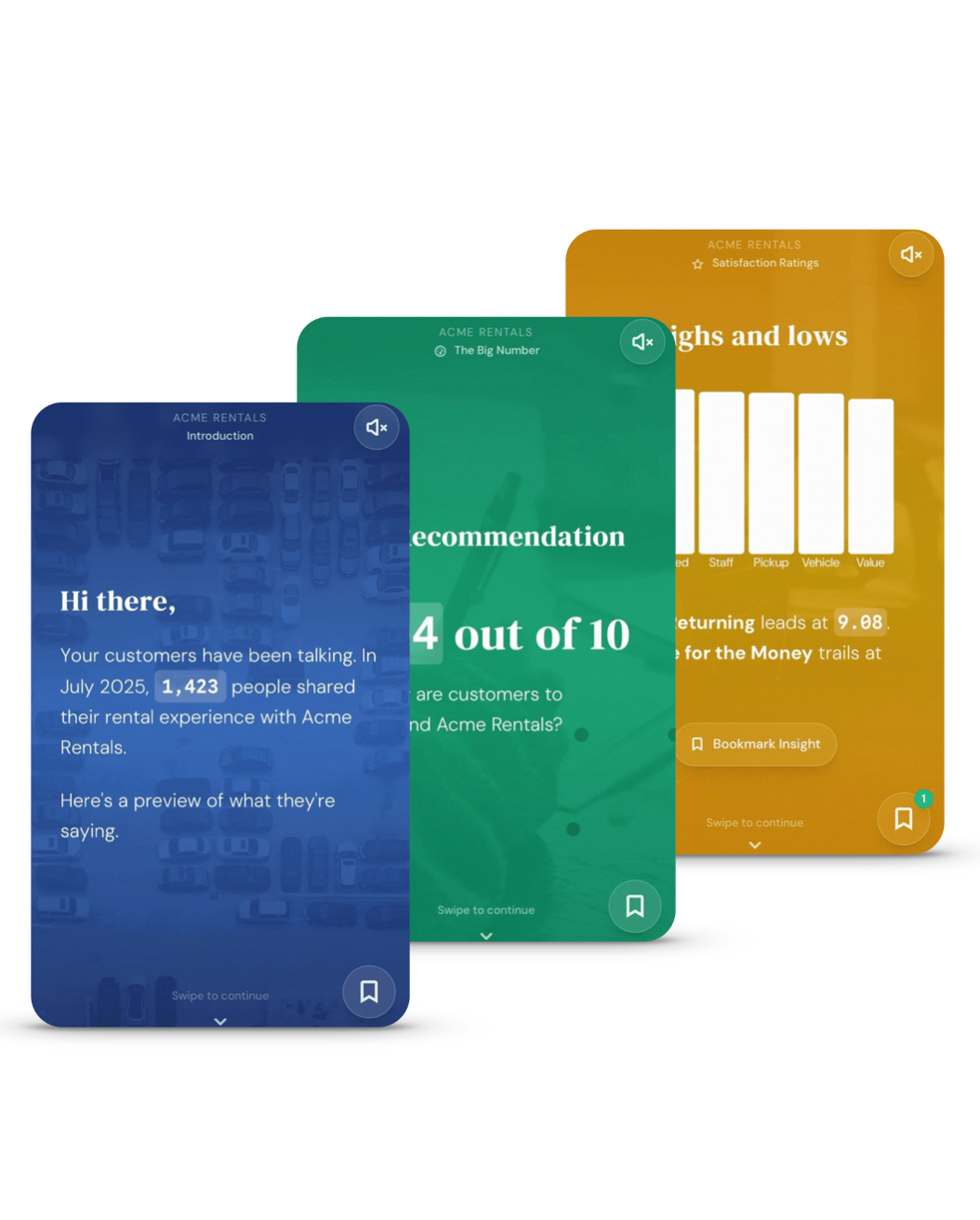
Mobile-friendly and personalized data narratives
The opportunity is broad. Any organization that serves many customers or stakeholders faces the same fundamental challenge: making visible the value it delivers. This could be a B2B software company, a nonprofit tracking donor impact, a membership association trying to justify annual dues, or a university communicating student progress to parents.
The organizations that do this well have a chance to create emotional bonds and reduce churn. The ones that don't leave customers to draw their own conclusions.
What has changed is the accessibility of creating this type of solution. The engineering infrastructure Spotify spent years building is now more available through AI. Personalized narrative generation at scale is no longer a large-platform capability. It's available to organizations of any size, with the right tools and the willingness to use them.
A VP of Operations who receives a year-end summary showing exactly what their vendor delivered has the same underlying response as someone who learns they're in the top fraction of a percent of listeners for an artist they love. The data comes back as validation of a decision they made. Most organizations are leaving that on the table.
Getting It Right

One thing the B2C experience can teach: executing well is hard. YouTube Music's 2024 recaps were widely criticized for including artists users had never listened to and for classifying channels incorrectly.
A digital bank, Monzo, caught some heat when they sent out a year in review that highlighted their customers’ eat habits in some unflattering ways.
When a personalized narrative is built on bad data, it can actively damages trust. Similarly, AI-generated narratives that feel generic or machine-produced create a backlash of their own; users recognize when they're being processed rather than seen.
The format works when it's accurate, when the narrative tone fits the relationship, and when it reflects a genuine attempt to tell the customer's actual story. These aren't high bars, but they do require intention.
At Juice Analytics, we've been watching this trend closely, and building for it. We've developed the technology and design process to deliver personalized narratives at scale. With decades of experience in communicating data, we know what it takes to achieve the "aha" moment for recipients. Find out more here:
The brands that figured this out years ago built something worth emulating. Now is the time to piggyback on their lessons.