
Bird-Watching: Giving Data a Place to Land
In my last two posts, I asserted that people when people care about a number {link}, they will act on it. And while we have focused for years on how to help people comprehend data, we still don’t know how to buildcaring.
I want to lay one more important building block: before people care about a number, they need the capacity to understand what it means and why it matters to them. In other words, what does a person need to be receptive to a number?
Jenny Odell wrote a powerful book entitled ‘How to Do Nothing’. It is about how to survive inside our attention economy. A few of her ideas map well to the world of data.
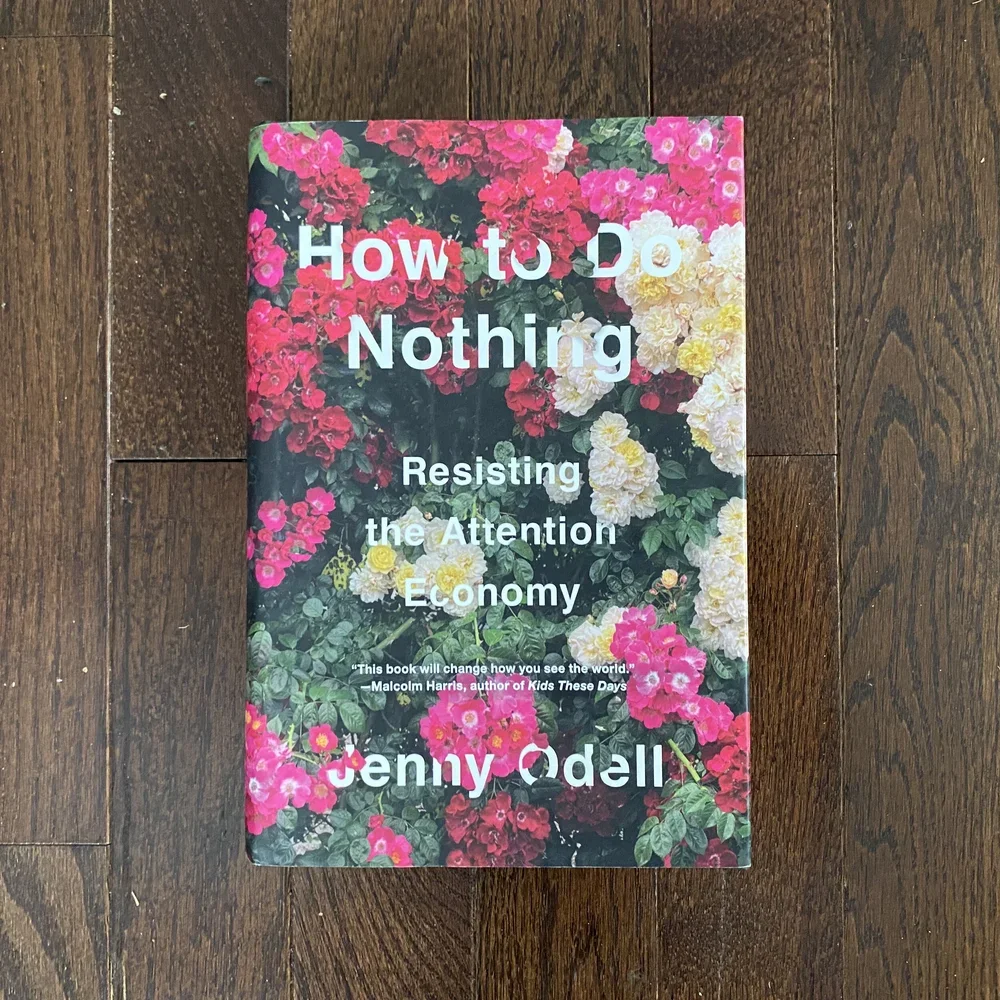
She shares a beautiful experience about how she learned to hear and understand the birds in her neighborhood. When she slowed down enough to listen and dedicate her attention, she found that the birds had personalities and schedules and relationships with each other. They became her neighbors.

Her audible world was transformed by the attention she brought to it.
This leads to an valuable distinction that I think we often lose in our data world. Odell talks about the difference between connectivity and sensitivity. Connectivity is access to information. Sensitivity is the capacity to actually register what you have access to. Sometimes we conflate the two, imagining that access to information is the same as understanding it.
Accessing information keeps getting easier. Absorbing that information doesn’t necessarily follow the same trajectory. Dashboards, for example, are connectivity infrastructure, but they do little for the sensitivity of the audience.
The ability to receive — be sensitivity to — information takes two things:
Attention that is focused on the information. As William James said: “My experience is what I agree to attend to.” Without selective interest, the world becomes a kind of gray chaos. But attention gives it accent and emphasis, light and shade. Like using focus in a photograph, we can bring a subject forward and let the complexity of all the other information fall away. We know this is a problem with reporting and dashboards.
The terrain in which the information exists. Context. Jenny Odell calls this “bioregionalism.” She describes it as the practice of really know the place you live in. In her birdwatching example, it is about knowing the trees, birds, seasons, and relationships between them. In data, it is about the audience having a mental model of the system that the number comes from. A number — churn, sales, new customers, performance scores — doesn’t land if there isn’t a fully-fleshed concept of its real meaning.
If people give your data attention and know the terrain, does that mean they will care about it? I think these are necessary but insufficient criteria. They provide a place for the number to land, but not the human desire to give a damn.
When I return: So, what does it take to make someone really care about a number that I am delivering to them?